What a 45-Second Festival Minigame Teaches About Design
An adult-audience look at BeerFest Morelos's browser timing game: simple controls, readable targets, short rounds and the difference between sharing a score and live multiplayer.
Study the interaction, not a drinking challenge
This game-design analysis is for adult readers aged eighteen and over because its example comes from a beer festival. The subject is a browser interaction: how an input, a target and feedback form a short challenge. It does not propose drinking tasks or connect a player's result with consuming alcohol.
A tiny game can be a useful design case because there are fewer rules to hide behind. The player should understand what to do, recognize what happened and decide whether to try again. When those three steps are clear, a short session can produce an understandable decision rather than a confusing sequence of taps.
Read the published rules first
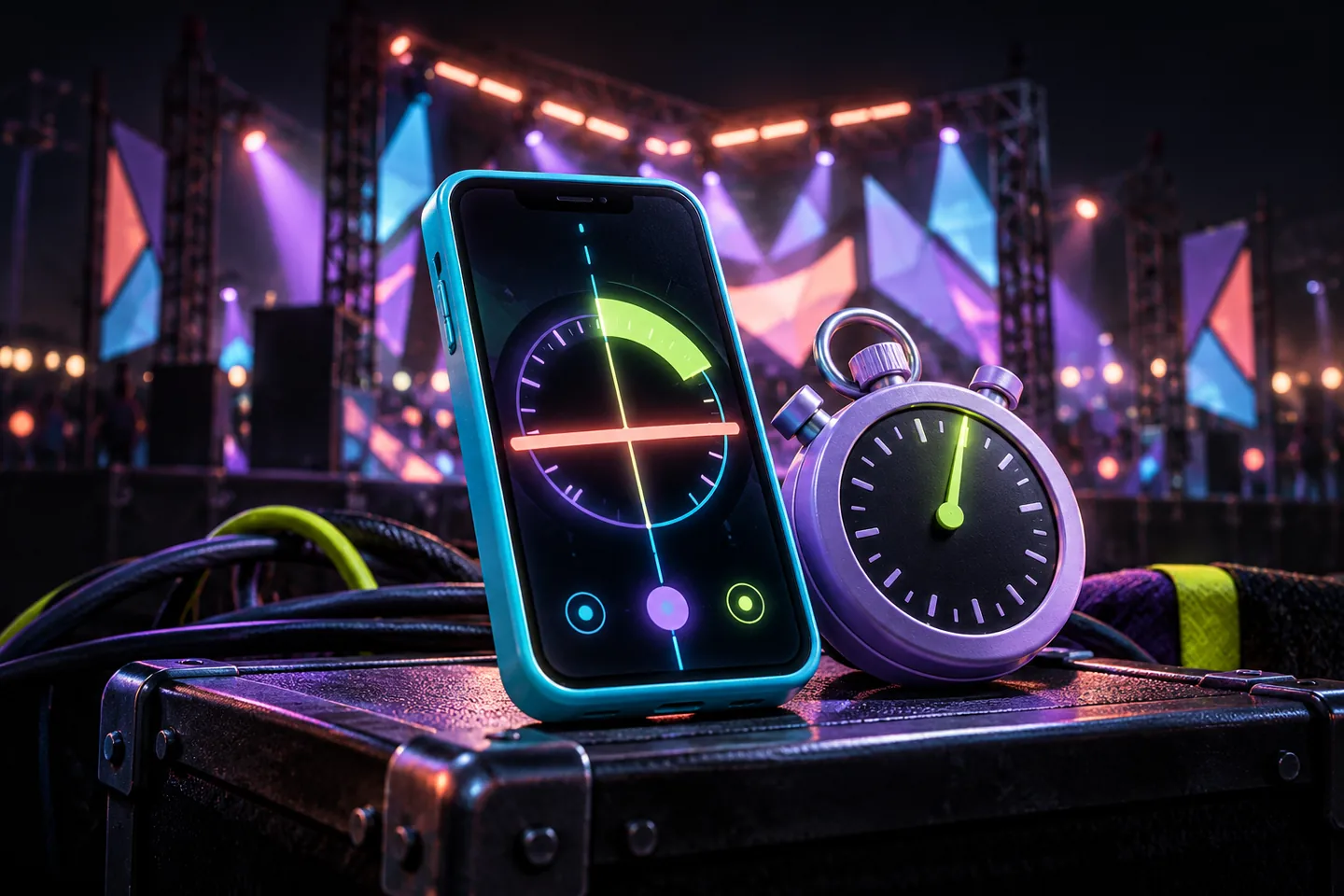
The BeerFest Morelos browser minigame, La chela perfecta, describes a forty-five-second round. Its instructions ask players to hold a control to serve, release near a turquoise target zone and share their score with friends. The page also identifies the space bar as a control option.
That published rule set establishes the example being discussed. It does not establish that every device has identical timing behavior, or that a high score reflects any real serving skill. The points and challenge remain part of the game's own model. Current festival dates or ticket availability are separate questions from how this browser game works.
Make one control carry a meaningful decision
Holding and releasing can create a clear timing decision without a long list of buttons. For an original prototype, first decide what the player observes while holding and what changes at release. The interesting part is the relationship between those two moments, rather than adding extra controls immediately.
Sketch three outcomes for your own hypothetical timing game: stopping early, stopping inside the target and stopping late. Show how the feedback would differ for each. If the only visible response is an unexplained number, the player may struggle to tell whether to change the next attempt.
Make the target readable in several ways
A visible target can explain the goal before a player reads a paragraph. In a prototype, combine its position with a recognizable boundary or shape so that its meaning does not rely on color alone. Keep decorative movement away from the area the player needs to judge.
Then test the explanation separately from the scoring. Ask someone to describe the action and expected result before playing. After one attempt, ask what happened and why. This is a proposed design exercise, not a claim that the festival game has passed an accessibility or device-performance audit.
Choose a round length that supports comparison
A short fixed round gives friends a manageable unit to compare. In your own design, think about whether players get enough attempts to notice feedback without being trapped in a long session. A pause, a restart and a clearly displayed finish can make the session's boundary easier to understand.
Do not assume that a shorter timer automatically creates a better game. Compare what changes when the player has fewer opportunities to learn. If an early mistake makes the remaining time feel pointless, reconsider the feedback or recovery options before using extra visual effects to make the round seem busier.
Distinguish a shared challenge from live multiplayer
Sharing a score lets another person attempt a target later. That is an asynchronous challenge: the players do not need to occupy the same session. A shared link alone is not evidence of a live room, synchronized game state or a turn that the server is enforcing.
ProjectGAMR's private rooms for four board games support a different interaction, with friends taking turns from separate devices. Choose the model that suits the idea you are designing. A solo timing challenge can work well as a score to beat, while a board match needs both players to agree on the same evolving position.
Keep exploring
Sources & further reading
- BeerFest Morelos: La chela perfecta, rules and controls ↗
- BeerFest Morelos: official festival information ↗
Have a correction? Tell our editorial team.