How Games Encourage Cooperation and Competition
Explore how shared goals, information and rewards shape cooperation in games, with careful distinctions between experiments and everyday play.
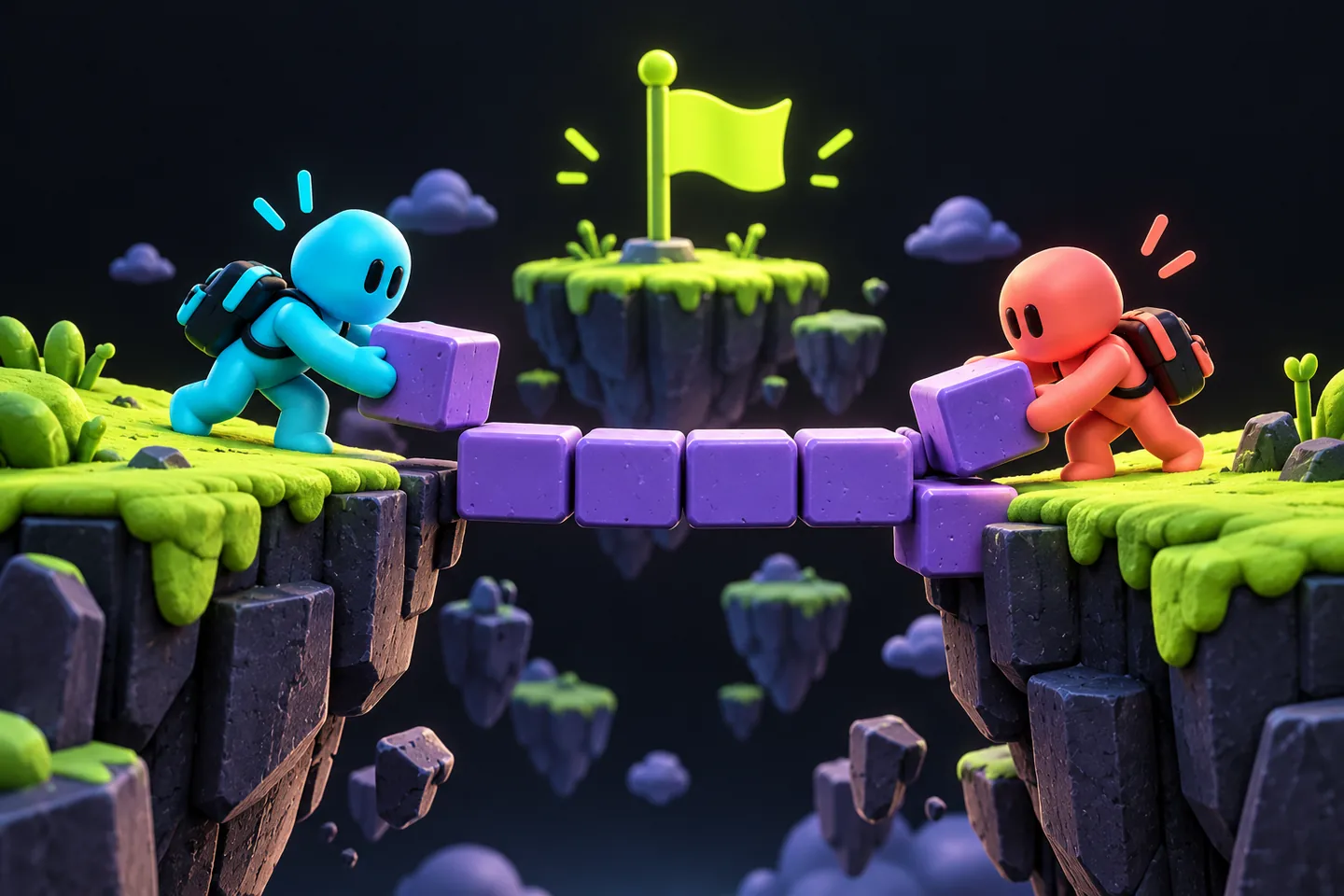
Look at the incentives on the board
A game can reward a personal score, a shared objective or both. Those rules shape what cooperation means in the moment. Passing information to a teammate may help a shared win, while withholding a route from an opponent can be ordinary competitive play. Before describing players as cooperative or selfish, identify the objective and the information available to them. Friendly behavior and strategic collaboration can overlap, but they are not interchangeable measurements of the same thing.
Shared goals create a reason to coordinate
Imagine a puzzle in which two players hold different clues and win only by combining them. The rule creates a concrete reason to communicate. Now imagine the same puzzle scored individually, with a prize for finishing first. The activity may look similar while giving participants different incentives. These are illustrative design examples rather than findings about a named game. When choosing a mode for a group, explain the win condition and whether players are expected to compete, collaborate or alternate between the two.
What one experiment can show
A paper in the January 2026 volume of Entertainment Computing reports two experiments involving 274 participants. It compared cooperative, competitive and solo contexts in a neutral video game, then measured prosocial behavior with a give-some dilemma task. The authors reported greater prosocial behavior after cooperative play than in the comparison conditions, with reciprocal expectations partly mediating the relationship. They did not find that competition significantly reduced that behavior. The measured task and immediate experimental setting matter when interpreting what the result establishes.
Why real groups are more complicated
Friends bring history, expectations and communication habits to a session. Strangers may need to establish basic signals first. A match can also involve uneven experience or different ideas about success. A study of a particular setup cannot describe every group or prove that a cooperative game permanently changes someone’s character. Fowler and Christakis’s public-goods experiments examined the spread of cooperative contributions through structured interactions; that is a different setting again. It suggests a useful research question about influence, rather than a guaranteed effect of any gaming community.
Make coordination easy to observe
For your next shared session, try a simple agreement: state the goal, choose a clear signal for important information and leave room for someone to ask for clarification. After a round, discuss one decision and what each person knew. This is our practical suggestion, not a tested intervention from the cited experiments. A useful review focuses on observable actions and shared expectations. Blaming a teammate’s personality usually supplies less information than identifying a missed signal or an unclear responsibility.
Competition can still be welcoming
Chinese Checkers, chess and Four in a Row have opposing objectives, yet players can agree on rules, explain legal moves and review a finished game together. That does not convert a competitive match into a research measure of cooperation. It makes the social setting clearer. Decide in advance whether advice during a game is welcome, whether a restart is allowed and how long everyone wants to play. A group can care about winning while also making the experience understandable and enjoyable for the people at the table.
If people disagree about whether a tactic is acceptable, resolve the rule before the next round. An explicit agreement makes it easier to distinguish an ordinary competitive choice from a misunderstanding, and gives everyone a fairer basis for discussing what happened.
Sources & further reading
- The Effect of Video Game Context and Player Relationships on Prosocial Behavior (2026) ↗
- Fowler and Christakis (2010): Cooperative Behavior Cascades in Human Social Networks ↗
Have a correction? Tell our editorial team.