Gaming Café Loyalty: Clear Rewards and Better Follow-Up
Design a gaming café loyalty program with understandable progress, useful rewards and organized booking follow-up, using distinct examples from Nativo Rewards and CRMY.
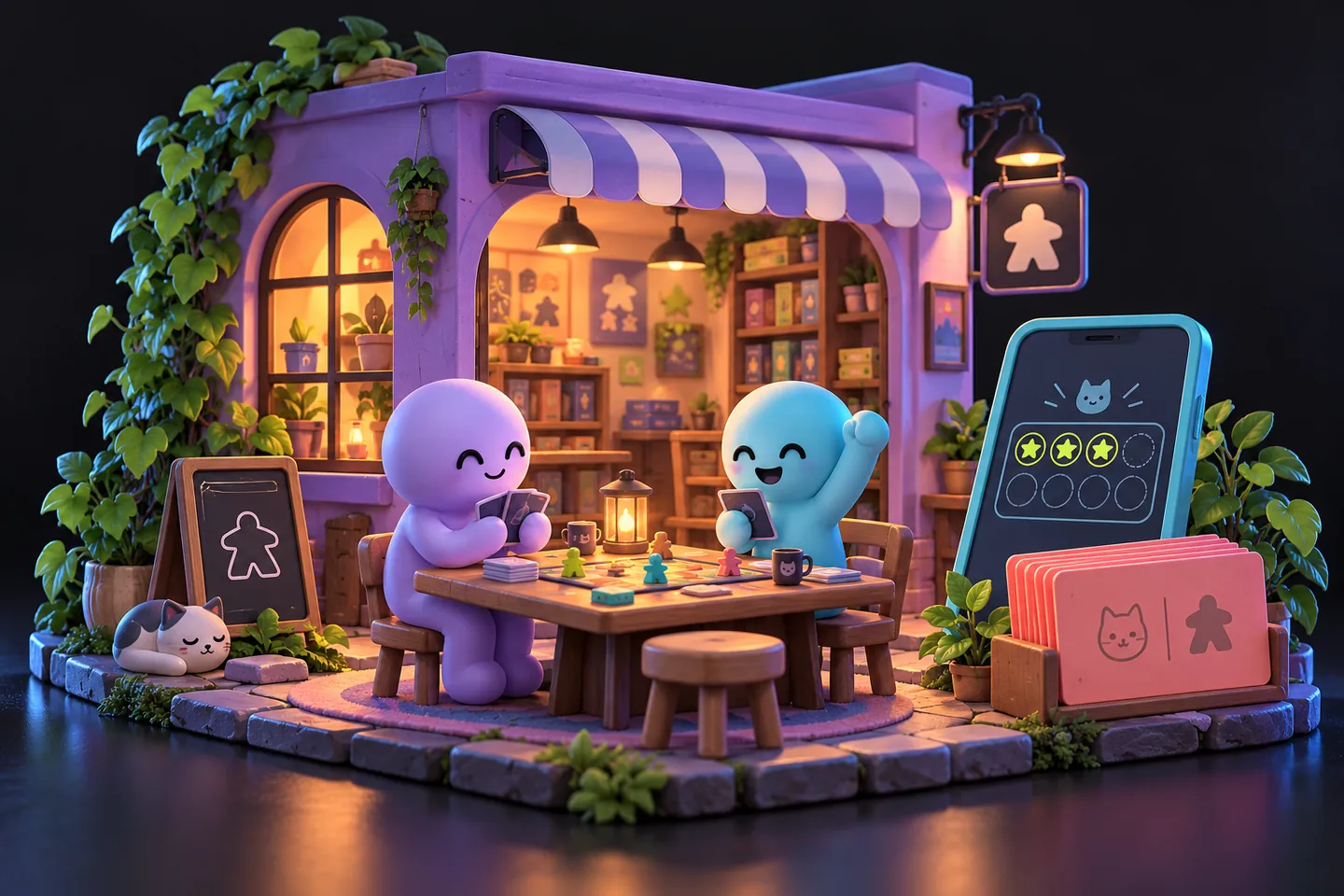
Define the experience before the points
A gaming café loyalty program should help people understand what happens when they return. Begin with the experience you can reliably provide: a welcoming table, clear session rules and a simple way to organize another visit. A points counter cannot compensate for a booking that nobody confirms.
Write one sentence describing the purpose of the program. It might recognize repeat visits or help a small club organize regular sessions. Keep that purpose separate from competitive results. A casual player should not need to defeat the strongest regular to receive the same welcome as everyone else.
Make progress understandable
Borrow the clarity of a good game tutorial. Explain which action counts, how progress is recorded and what the player can receive. If a reward has a limit or expiry, show that information before participation. Avoid a mysterious conversion between several currencies when one straightforward rule would do.
Consider a fictional stamp system for a café. The rule could say that a completed eligible visit earns one stamp and a defined number unlocks a clearly described benefit. This is a design example, not a recommended price or threshold. The operator must check that the promised benefit is practical to deliver.
Choose a loyalty mechanism that matches the rule
Nativo Rewards provides a concrete example of digital loyalty tools built around points, stamps and progressive rewards. Its public pages describe registration by QR and digital cards, including web and Apple Wallet options. Those mechanisms can make the rule visible, but the business still defines eligibility and fulfills the reward.
Compare the mechanism with your actual operation. Ask who validates a visit, how a correction is handled and what staff tell someone whose phone is unavailable. Test the explanation with a person who has never seen the program. If they cannot describe the next step, simplify the rule before adding another incentive.
Keep booking follow-up separate from loyalty
An event inquiry needs a different record from a reward balance. A group might ask for two tables, a beginner session and an accessibility detail before deciding to book. Save the agreed scope, the unanswered question and the person responsible for replying. Do not mark an inquiry as confirmed merely because it generated activity.
CRMY is an example of a CRM for micro and small businesses in Mexico, with contacts, opportunities, notes, reminders and quotations. A café operator or creative service provider can review that type of workflow for organizing inquiries. This is a separate example; it does not imply an integration with the loyalty tool.
Offer participation without pressure
Make it easy to understand the program before providing personal details. Explain which information the business needs and where its privacy terms can be read. Avoid tying a basic welcome, fair game rules or a comfortable place to sit to whether someone enrolls in a marketing program.
Choose reminders that have a purpose, such as answering a requested booking question. A calendar full of automated nudges is not evidence that a community feels connected. Give staff a clear way to correct a mistake and let participants ask about progress without making the interaction awkward.
Review delivery rather than assuming success
After a small trial, inspect whether visits were recorded correctly and promised benefits were delivered. Separately review how many inquiries received a clear answer and how often a confirmed booking needed correction. These observations describe the process; they do not establish that a tool caused higher retention or revenue.
Ask regulars and first-time visitors what was confusing. Improve one rule or handoff at a time. The useful lesson from game progression is visible, understandable feedback. A welcoming café combines that clarity with reliable human follow-up, rather than treating customers as a dashboard of scores to maximize.
Keep exploring
Sources & further reading
- Nativo Rewards: loyalty program mechanisms ↗
- Nativo Rewards: progressive rewards ↗
- CRMY: customer follow-up features ↗
Have a correction? Tell our editorial team.